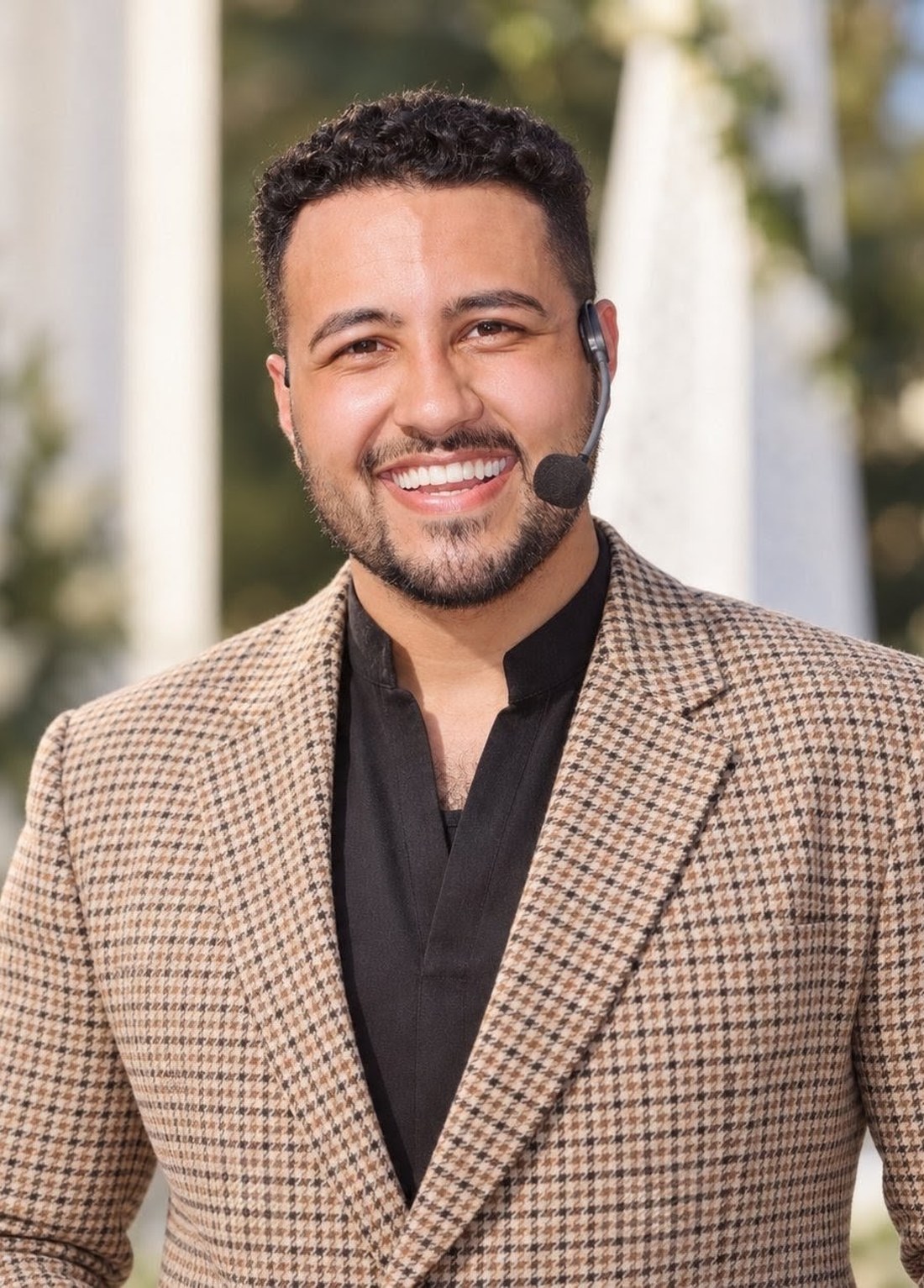
The first hour of our Good Brands Don’t Whisper event in New York belonged to the people who brought their products. Shopify lent us the space. We had photography and video stations, and founders could go from station to station, take pictures of what they’d made and tell a story about it. My keynote came in the second hour. In the last one we got to hang out.
If you want to know why that room mattered to me, there’s a conversation I had long before I stood on that stage. A professor of mine, Professor Kelly, sat me down and asked me what my story was. I did what I knew how to do. I rattled off a bunch of accolades, a bunch of things I’d done. He asked me again. What’s your story?
I grew up pretty unsure of my place in the world. I could tell you the things I’d managed to accomplish, but it took somebody sitting with me and doing the exercise to help me see that I had a story of my own. Knowing how to tell it changed what I felt confident enough to do.
What I wanted founders to take home
A founder who comes in carrying something they’ve made already has plenty to talk about. How did you get here? What made you work on this particular product? They might have told those stories a hundred times to a friend and still have a hard time figuring out what to say when somebody points a camera at them.
That’s why I liked having the stations and the talk in the same room. In one hour you could actually tell a story about your product. In the next we could work through a process that makes finding and telling the next one a little easier. And then there was time to meet the other people in the room who were figuring it out too.
I think about the difference between those first two hours whenever I’m designing a workshop. If the only thing somebody does is listen to me explain storytelling, I have no idea where telling their own story gets hard for them. Put a founder in front of a camera with the thing they made, and the problem gets very specific very quickly. What do I say first? How much of the backstory does somebody need? Which part am I excited enough to tell without looking at the notes?
The stations, the keynote and the time together gave those questions somewhere to go. You could take a photo or tell a story, hear a way to work on it, then talk to someone else who had gone through the same exercise. That was the part of Good Brands Don’t Whisper I wanted to do again. Professor Kelly could have taken my list of accomplishments and written me a better introduction. Instead he gave me another chance to answer the question. I wanted to build a room where someone else could have that chance too.
About this teaching
Edited from my MCEW podcast interview.